Ecotourism as a conservation tool.
Protecting nature takes resources. Today, ecotourism is one of the main economic engines behind that protection.
Protection costs money. Tourism helps pay for it.
Protecting nature requires resources. Protecting land, funding rangers, fighting poaching, preserving habitat, supporting the communities who live alongside wildlife or maintaining conservation infrastructure: all of it comes at a considerable cost.
And today, ecotourism is one of the main economic engines behind that conservation.
In many regions, entry fees, conservation fees, accommodation, concessions and tourism-related activities make up an essential share of the resources that let natural spaces function and be protected.
Where it works, and where it is missing.
In Eastern and Southern Africa, tourism carries most of what protected areas earn on their own. Where it doesn’t exist, the picture looks very different.
~80%
Share of directly generated protected-area revenue in Eastern and Southern Africa that comes from tourism.
4 / 21
Protected areas in West Africa where lions were still confirmed, out of the twenty-one surveyed.
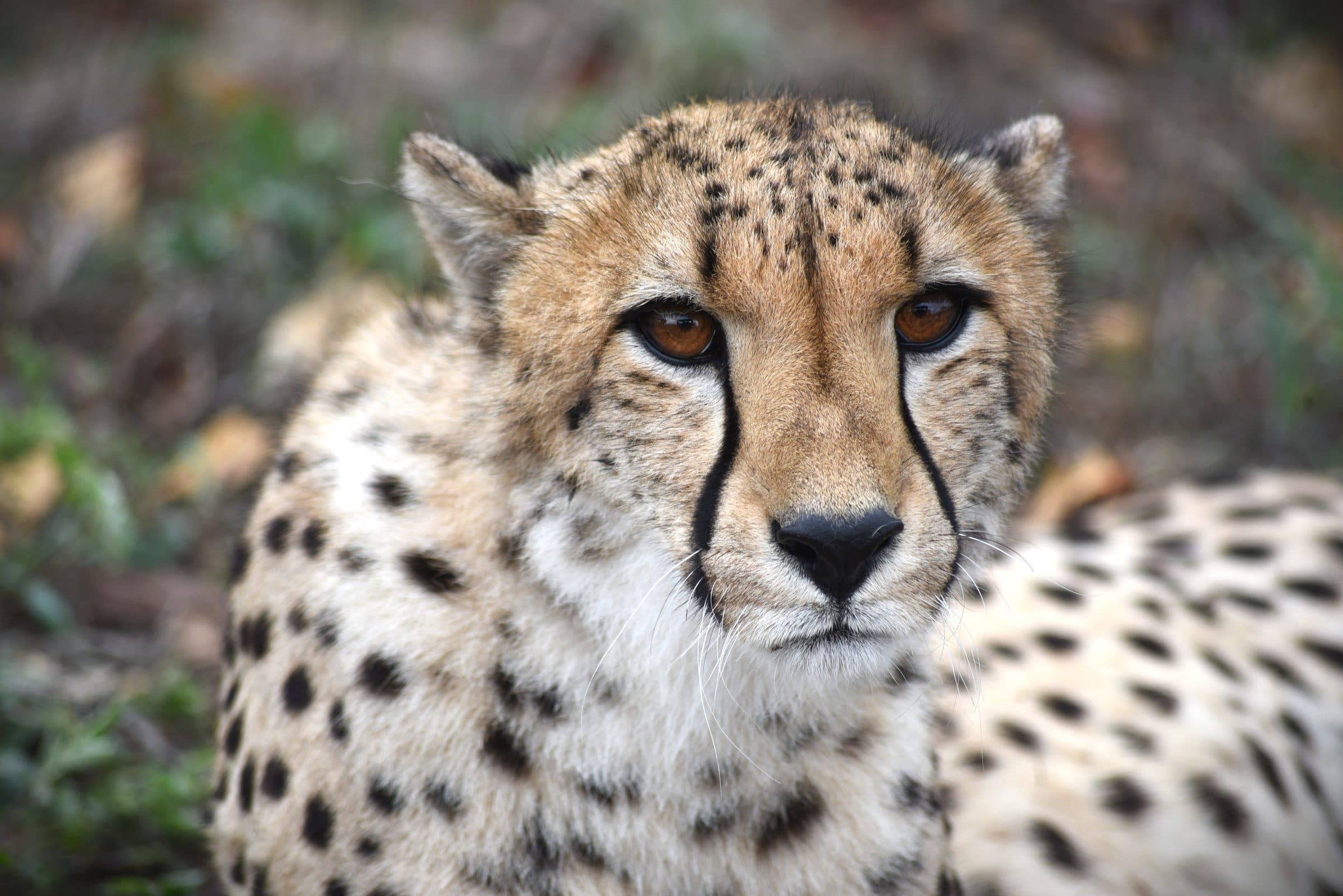
This is not a coincidence. In many African countries, the regions that have lost most of their large predators are often the ones where ecotourism is not structured, or not possible: poaching, the destruction of natural habitat by urban expansion, or war have taken over. Henschel and his colleagues found that the protected areas that kept their lions were the largest, and above all the ones with significantly higher management budgets. Brugière, Chardonnet & Scholte (2015) document the same disappearance across West and Central Africa. The contrast is clear with the zones where well-managed ecotourism has been able to preserve these spaces and these threatened species.
A force greater than the numbers.
This model rests on one plain fact: protecting nature for the long term also means making it worth more, economically, than destroying it. Across much of the world, unfortunately, the opposite prevails.
And local communities aren’t always aware that a living elephant, a preserved lion population, an intact forest or a protected wild territory can generate more long-term value than their direct exploitation, their poaching or their disappearance.
That’s the full power of ecotourism. But also the awareness work of the organizations we’ve taken the time to study and support.
This system creates jobs, putting guides, rangers, lodges, artisans, transporters and many other local actors to work. It generates revenue for reserves and helps build an economy whose sustainability depends directly on the preservation of ecosystems.
But its power is not only economic.
Traveling into the heart of a wild territory, watching animals in their natural environment, meeting those who protect them, and understanding firsthand the challenges they face transforms our relationship with conservation.
We only protect what we know, what we understand, and what we have learned to love.
Travel as a lever for conservation.
The Eco-Safaris belong to this vision.
Army of Nature wants to encourage a way of traveling that takes part in this conservation economy, opens up natural territories to discovery and creates a real connection between travelers, ecosystems and the people who protect them.
Army of Nature selects, supports and highlights routes and experiences that match this vision. The different services are delivered and operated by providers chosen for their focus on conservation.
Depending on the destinations and the projects, these experiences involve a range of actors and professionals:
- Nature reserves
- Lodges
- Guides
- Rangers
- Conservation organizations
- Associations
- Transporters
- Local initiatives
The objective is simple: use travel as a lever for conservation.
- Bring discovery, to raise awareness.
- Put local actors to work, to create value.
- Create value, to provide the means to protect.
Because the practical reality is that without these organizations, the spaces and species are even more threatened.
Because living out these exceptional experiences amid nature at its most intense, while contributing directly to its preservation, is possible. It may even be one of the best solutions for reconnecting with Nature and for conservation.