Global Waste
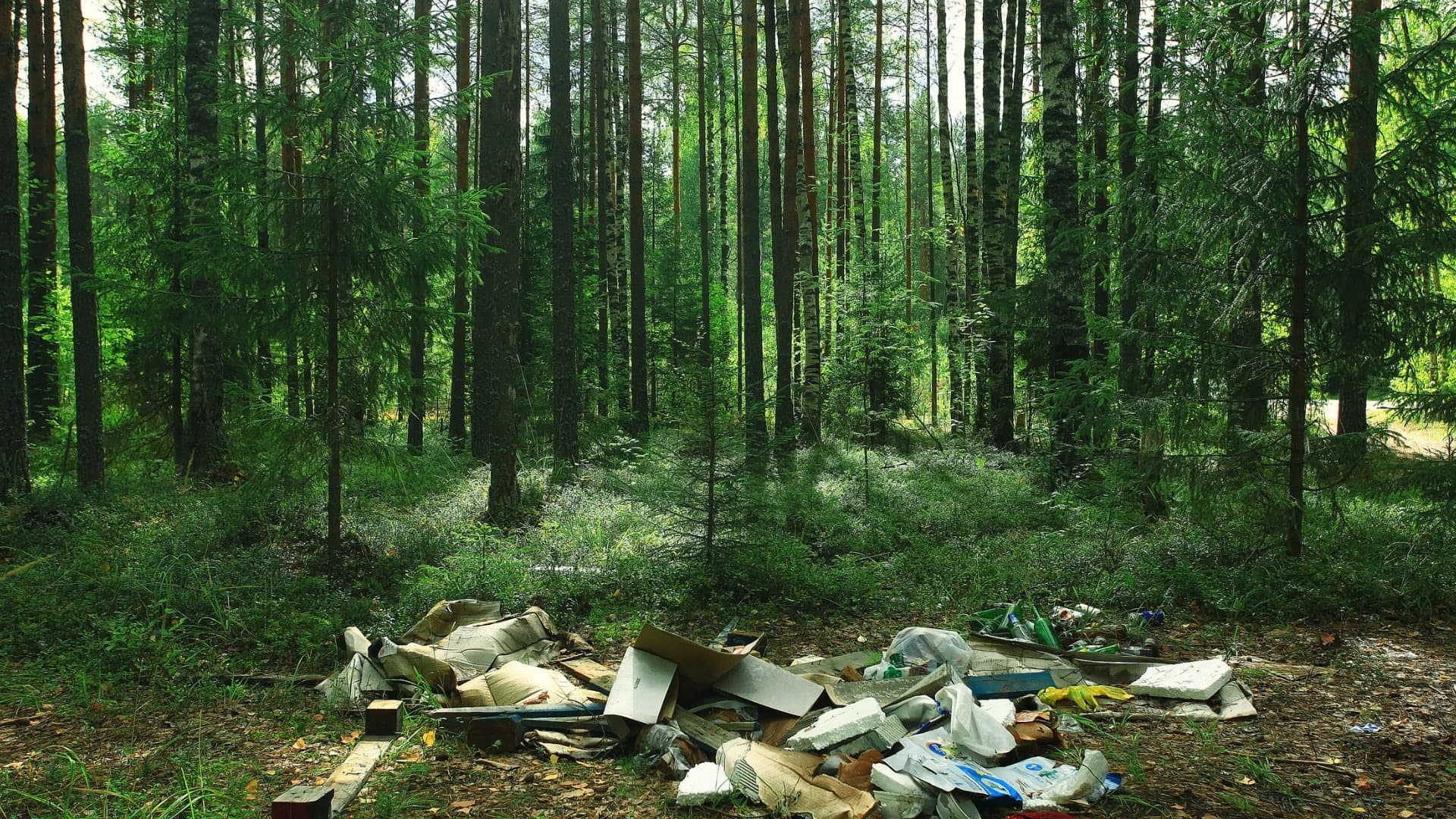
We all know that something is wrong with our throwaway culture. In Europe, for example, we generate an amount of waste per inhabitant that weighs 5 to 6 times more than the average citizen. Waste represents an enormous loss of resources and energy. The amount of waste produced can be considered an indicator of our efficiency as a society, in particular as regards our use of natural resources.
Waste is the biggest failure of modern society, for two main reasons. On the one hand, it represents an enormous environmental and economic cost in terms of lost resources and damage to natural ecosystems. On the other hand, it is an insult to years of human evolution, especially if we consider that the more educated and well paid we are, and the more relevant a position we hold in society, the more waste we generate.
The industrial revolution had the great ambition of giving as many people as possible access to as many products as possible in order to improve their quality of life, and yet what has come of it is the ruin of our ecosystem. How did this happen? A materialism raised almost to the rank of a deity and an individualism intrinsic to our modern cultures and societies, running towards their own self-destruction.
At the root of the problem, the creation of today’s ultra-competitive economy. Instead of creating a fair society in which wealth would be evenly distributed and Nature respected, we focused on improving the efficiency of production processes and on cheaper products, without taking the consequences into account.
The reduction of quality in favour of quantity and of mass individual comfort, of billions of humans fond of new flavours and of nice smooth products, the symbol of a certain abundance that our cupboards are overflowing with but that holds almost no nutritional value or form of dignity any more. Since in the age of free information it is no longer a syndrome of unawareness that humanity suffers from but a syndrome of denial or worse, of deliberate ecocide. Nobody being able to deny the situation and refuse the individual and ultimately collective responsibility of our modern ways of life.
Waste production is therefore closely rooted in our culture of consumption and production. Waste is created at every stage of a product’s life cycle, from the extraction of resources to manufacturing, by way of energy production, packaging and shipping and end of life (what is known as the waste footprint).
A problem of society requires an effort from society to solve it. Indeed, while it is true that the environmental impact of a product is determined at the design stage, consumer behaviour must play its part by moving away from consumerism. Consumers should change their consumption habits by working first on the compulsive need to buy more products, even when they do not really need them.
Then they should start to consider the real value of products, beyond the price, and try to avoid all the sources of waste that do not really play an important role in their lives, such as packaging. And refuse to consume products with no ethical value, and in that case the tide can be turned. Because industry has already chosen its side, that of profit and of the billions in earnings made thanks to those who complain about it but who tirelessly feed this market.
With Army of Nature, we want to support you in this fight that concerns us all and to move forward together. To become aware that another way of working is possible and could be meaningful, whether through the setting up of clean-up actions in green spaces, our video trailers or by way of training courses, workshops, radio programmes and awareness campaigns.
We are engaged in the greatest challenge of our century! Join us to reduce our negative impact and to form this army in defence of Nature!